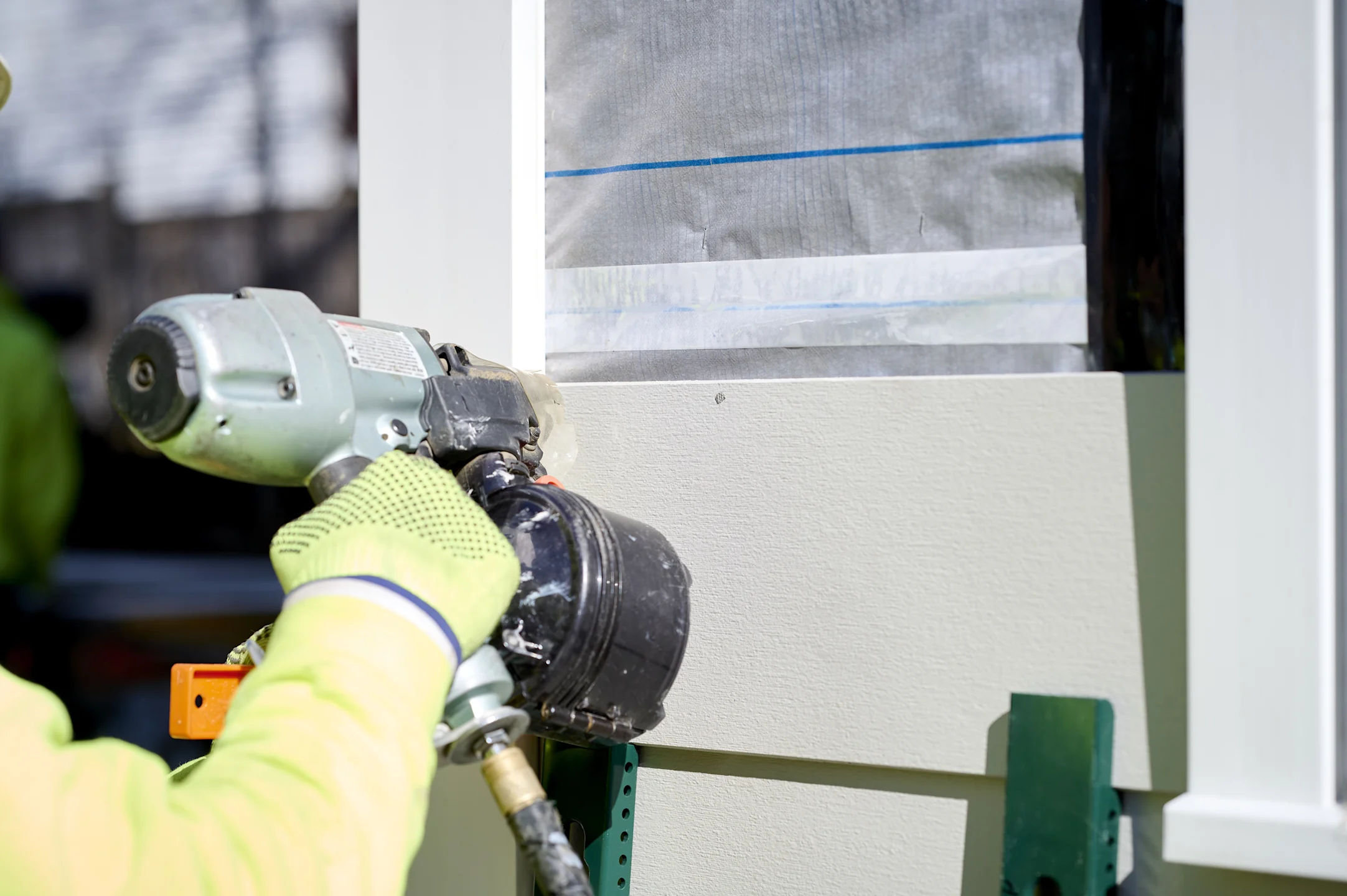
For many siding projects, a nail gun is one of the most essential and frequently used tools on the job site. They help speed up projects, improve efficiency, and reduce the physical strain of driving nails by hand. Whether you're installing siding on a new build, remodeling an exterior, or tackling a backyard structure, a nail gun can help you get the job done faster. While nail guns can help improve efficiency and speed up siding installation, they also present safety risks if not used properly. At LP, safety is one of our core values, which is why understanding proper nail gun handling, setup, and jobsite safety practices is essential for helping prevent accidents, reduce risk, and keep projects running smoothly.
Why Nail Guns Are Popular for Siding Installation
Nail guns are widely used for siding projects because they can significantly reduce installation time compared to hand nailing. They help create consistent fastening, improve productivity, and make it easier to complete larger projects efficiently. When paired with proper installation techniques and manufacturer recommendations, a nail gun can be a valuable tool for both professionals and first-time users.
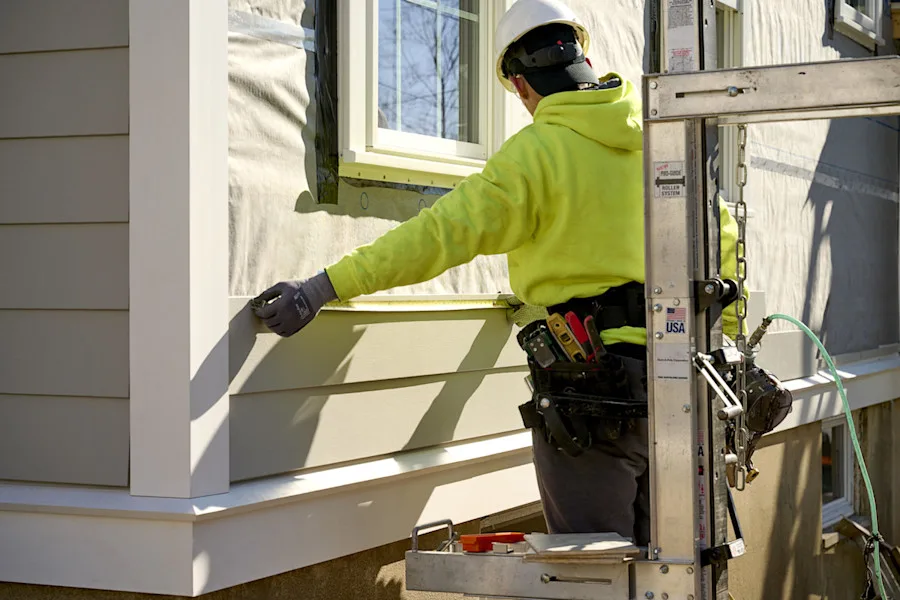
Understand Common Nail Gun Hazards
Before starting a siding project, it's important to understand the most common risks associated with nail gun use.
Potential hazards include:
Accidental discharge
Nail ricochets from hard surfaces or knots in wood
Missed fasteners that exit through the back of the material
Injuries caused by improper handling or carrying
Tripping hazards from hoses, cords, or jobsite clutter
Many nail gun injuries occur during routine tasks, making proper training and awareness critical even for experienced users.
Wear the Proper Safety Gear
Personal protective equipment should always be worn when operating a nail gun.
Recommended safety gear includes:
Safety glasses with side protection
Hearing protection
Work gloves
Long pants and durable footwear
A hard hat when required on active jobsites
Eye protection is particularly important because nails, wood chips, and debris can become airborne during installation.
Set Up Your Nail Gun Correctly
Before beginning work, inspect your equipment and verify that the tool is operating properly.
Best practices include:
Read and follow the manufacturer's instructions
Check hoses, fittings, and connections for damage
Ensure the correct nail type and nail length are being used
Adjust air pressure according to tool recommendations
Test the nail gun on scrap material before installation
Taking a few minutes to inspect equipment can help prevent misfires and installation issues later in the project.
Create a Safe Work Area
A safe workspace is just as important as a safe tool operation.
To improve jobsite safety:
Keep hoses and extension cords organized
Remove unnecessary debris and obstacles
Ensure adequate lighting
Maintain stable footing when working on ladders or scaffolding
Keep bystanders away from active work areas
For siding projects that require ladder work, always maintain three points of contact when climbing and avoid overreaching while fastening materials.
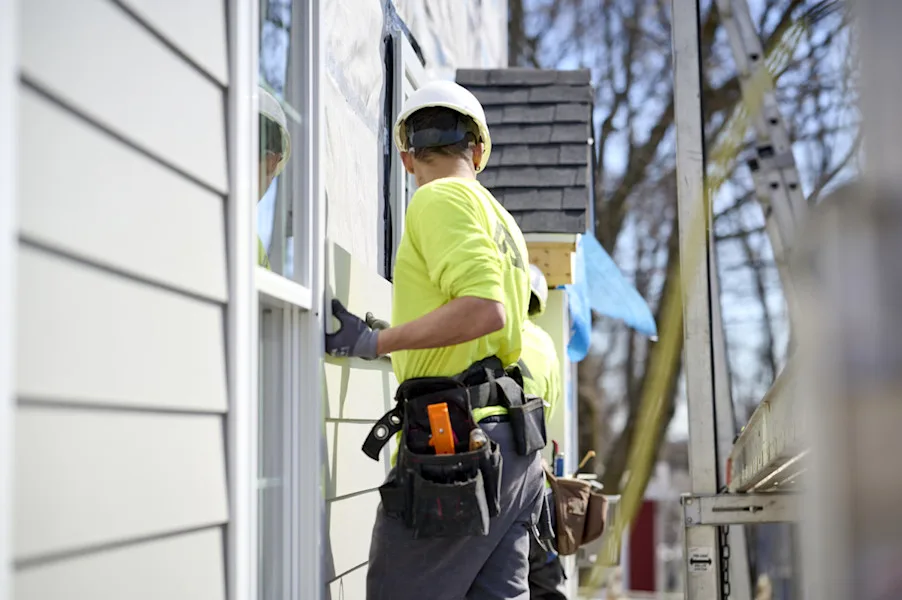
Best Practices for Safe Nail Gun Use
When using a nail gun, focus on controlled and deliberate operation.
Follow these guidelines:
Keep your finger off the trigger until ready to fire
Never point the tool at yourself or others
Hold materials securely before fastening
Position your free hand away from the nailing path
Disconnect the air supply before clearing jams or making adjustments
Taking a slower, controlled approach can help prevent many common nail gun accidents.
Common Mistakes to Avoid
Even experienced users can develop habits that increase safety risks.
Avoid:
Using a damaged or poorly maintained tool
Operating a nail gun without eye and hearing protection
Carrying the tool with your finger on the trigger
Firing nails too close to material edges
Skipping equipment inspections before use
Working in cluttered or unstable areas
Small mistakes can quickly lead to injuries or installation problems, making attention to detail essential throughout the project.
Build Safety Into Every Siding Project
Nail guns can make siding installation faster and more efficient, but safe operation should always come first. By wearing the proper protective equipment, maintaining your tools, setting up a safe workspace, and following best practices, you can reduce risk while improving project outcomes. Whether you're installing siding on a home, shed, garage, or outdoor structure, taking time to prioritize safety can help ensure your project is completed successfully and confidently.
Learn More About LP® SmartSide® Trim & Siding
Planning your next siding project? Explore LP® SmartSide® Trim & Siding products and access helpful resources today.