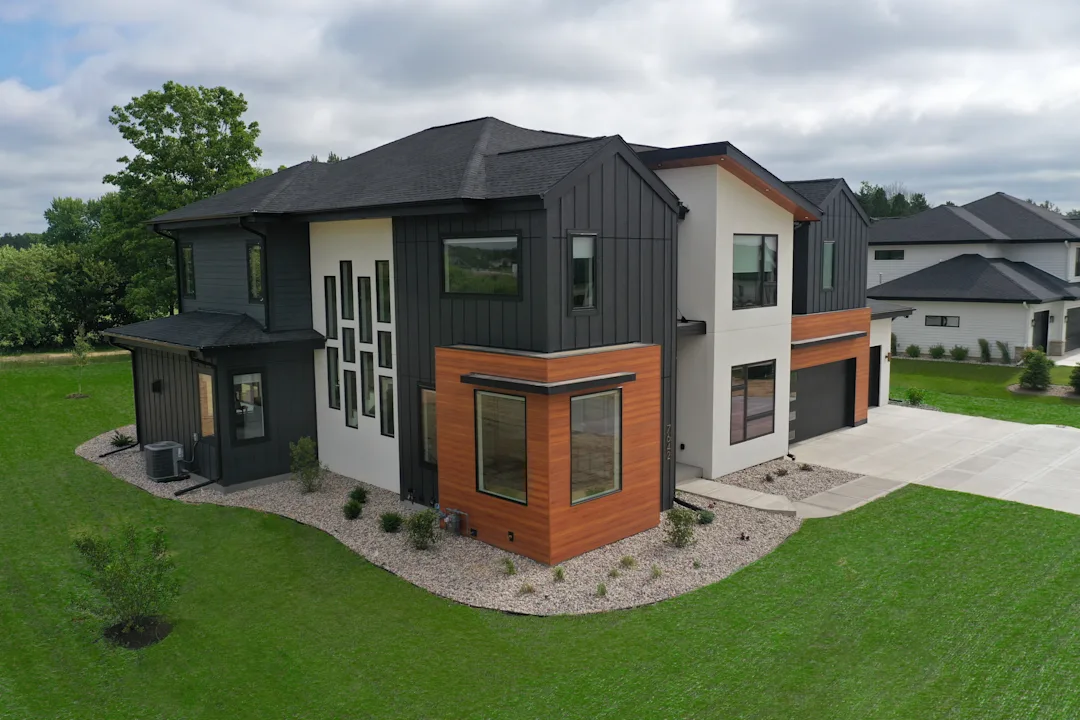
When most people think about a home's exterior, they only focus on the material they see on the outside. But behind every high-performing exterior wall system is a series of components working together to manage moisture and help protect the structure. One term that's becoming increasingly common in residential and commercial construction is rainscreen. While it's often associated with modern, high-performance building design, many homeowners and even some builders may not fully understand what a rainscreen is, how it works, or when it might be beneficial.
What Is a Rainscreen? A rainscreen is a wall design approach that creates a drainage and ventilation space between the siding and the wall assembly behind it. Rather than relying on the siding alone to keep water out, a rainscreen system recognizes that wind-driven rain and moisture can occasionally get behind exterior cladding. The goal is to provide a pathway for that moisture to drain and dry before it impacts the wall assembly.
A typical rainscreen assembly includes:
Exterior cladding (such as siding)
An air gap or drainage cavity
A water-resistive barrier (WRB)
Structural wall sheathing and framing
Together, these components help manage water, improve drying potential, and support long-term wall performance.
Why Moisture Management Matters
Moisture is one of the biggest threats to a building's durability.
When water becomes trapped within a wall assembly, it can contribute to:
Fungal decay
Mold and mildew growth
Reduced insulation performance
Premature material deterioration
That's why modern building science focuses on managing moisture rather than assuming it can be completely prevented.
A properly designed wall assembly gives water a way to escape and allows the wall to dry if moisture does get inside.
How Does a Rainscreen Work?
Think of a rainscreen like a drainage plane behind your siding.
When rain hits the exterior of a home:
The siding acts as the first line of defense.
Any moisture that gets behind the cladding can drain downward through the cavity.
Air movement within the cavity helps promote drying.
The water-resistive barrier provides an additional layer of protection for the structure.
This layered approach helps create a more resilient building envelope.
Do All Homes Need a Rainscreen? Building requirements vary by climate, wall design, local codes, and project goals. In areas that experience frequent rainfall, high humidity, or significant wind-driven rain, builders may choose rainscreen assemblies to improve moisture management and drying potential. Many architects and building professionals incorporate rainscreen principles into high-performance wall systems because they can help support long-term durability. Since every project is different, builders should always follow local code requirements, manufacturer installation instructions, and project specifications.
Where Do LP® Products Fit? It's important to understand that LP does not manufacture or sell a complete rainscreen system. However, LP products can be incorporated into wall assemblies that utilize rainscreen design principles.
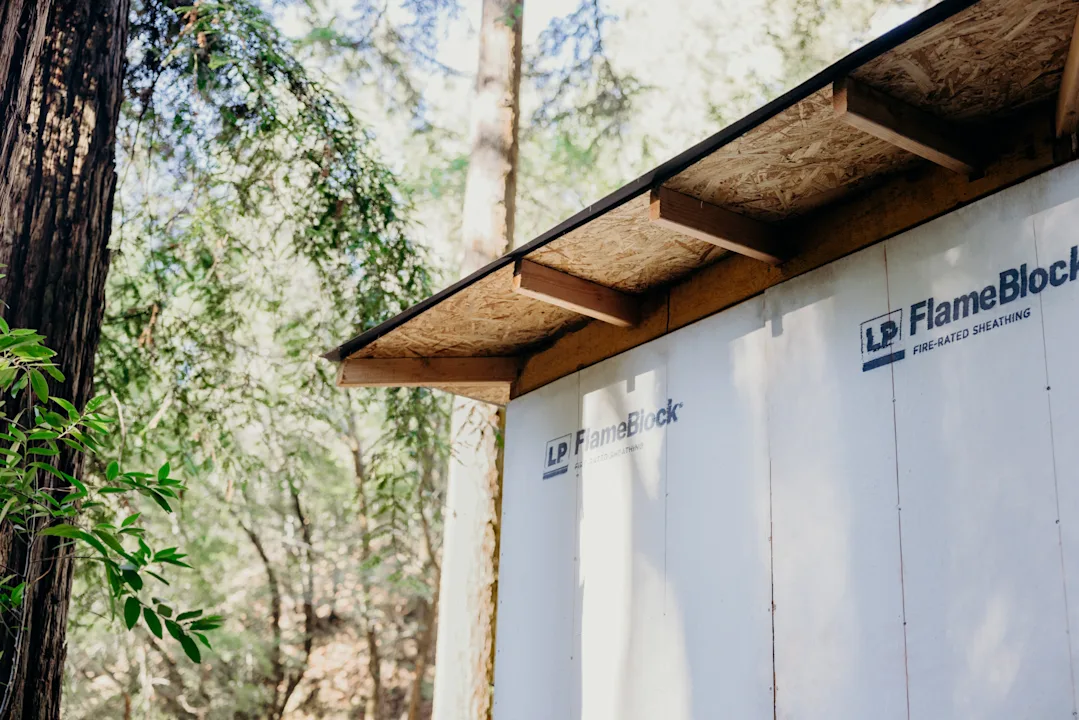
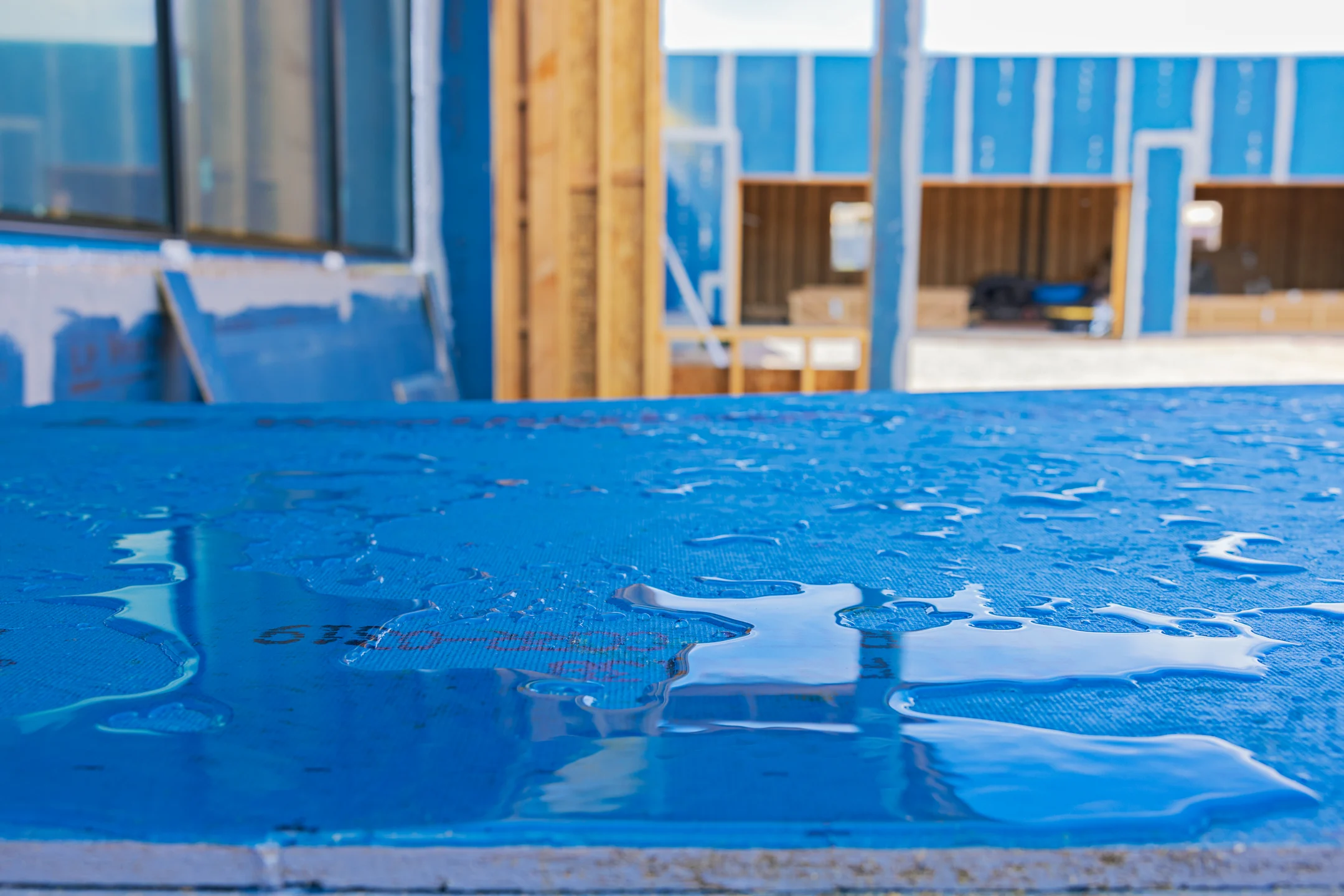
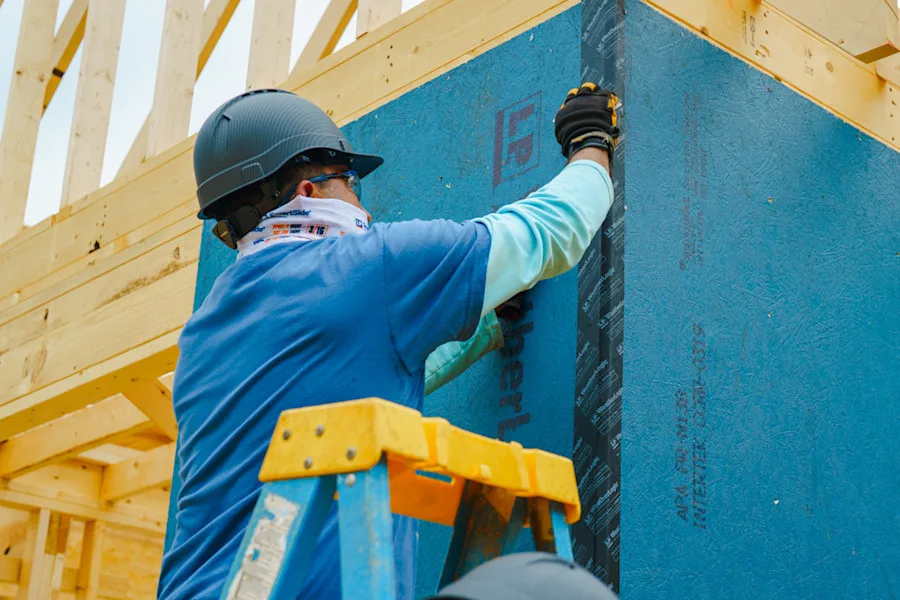
LP WeatherLogic® Air & Water Barrier LP WeatherLogic® panels provide integrated structural sheathing and an air and water barrier in a single panel. When installed according to LP instructions, they can help create a continuous layer of protection within the wall assembly.
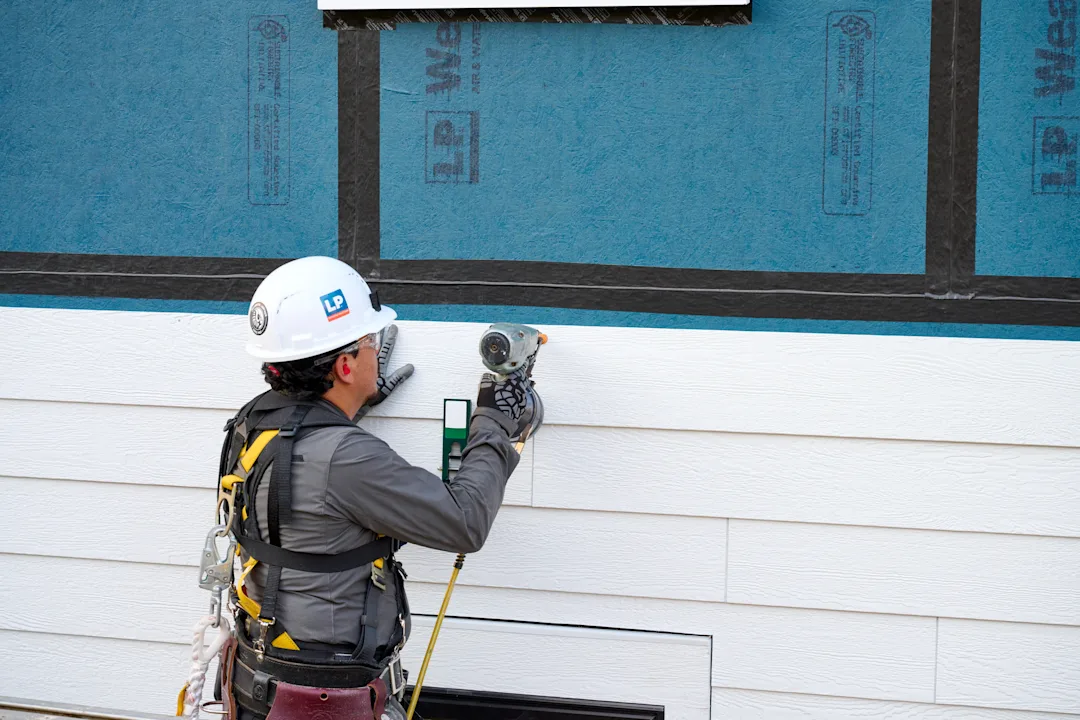
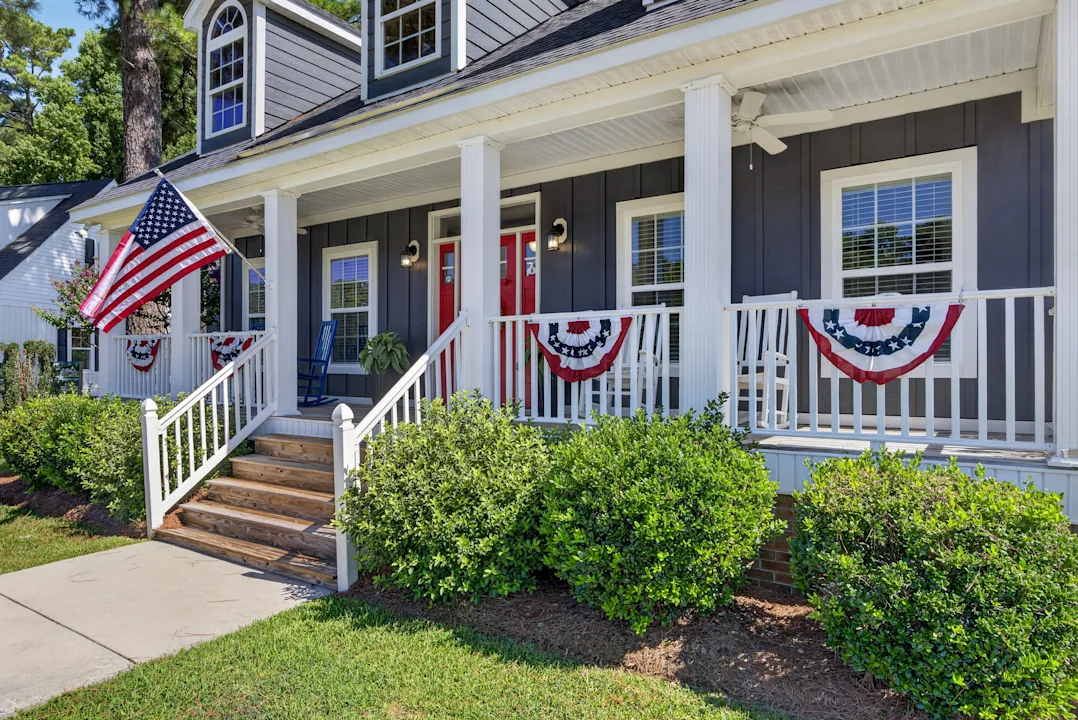
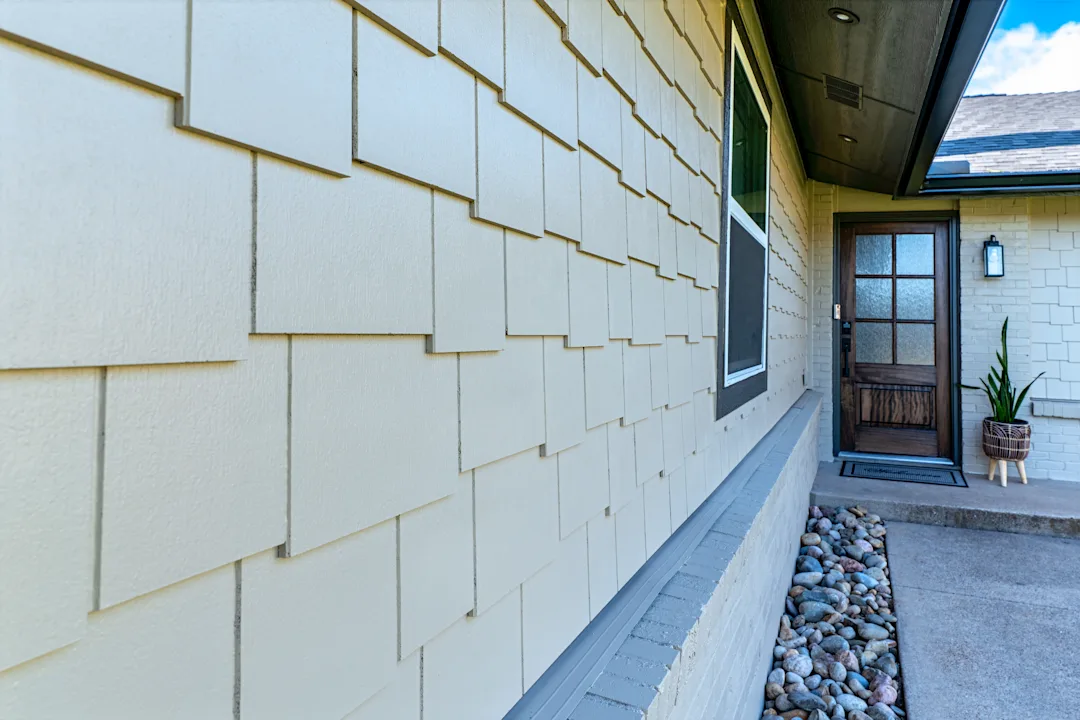
LP® SmartSide® Trim & Siding LP SmartSide products serve as the exterior cladding layer of the wall system. When installed as part of a properly designed assembly, they can contribute to a durable and attractive exterior while working alongside the other components responsible for moisture management.
Benefits of a Well-Designed Wall Assembly Whether or not a project includes a dedicated rainscreen system, builders increasingly focus on creating walls that effectively manage moisture and support long-term performance. Potential benefits of a well-designed assembly include:
Improved moisture management
Enhanced drying potential
Long-term durability
Advanced protection of structural components
Increased confidence in varying weather conditions
The Bottom Line A rainscreen is not a product—it's a building design strategy that helps manage moisture behind exterior cladding.
As building science continues to evolve, many builders and designers are incorporating rainscreen principles into their wall assemblies to help improve durability and moisture control. While LP does not offer a complete rainscreen system, LP WeatherLogic® and LP® SmartSide® products can be incorporated into wall assemblies designed to support modern moisture-management practices.
By understanding how these components work together, builders and homeowners can make more informed decisions about creating durable, high-performing exterior wall systems. For more information on LP Products, visit https://www.lpcorp.com/.